
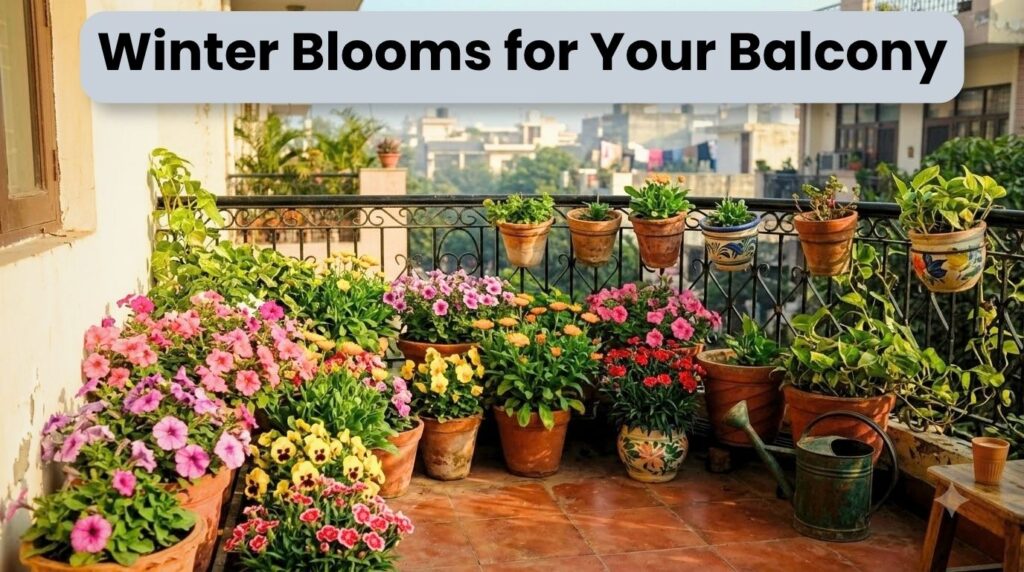
Winter Flowering Plants in India
It’s a grey January morning in Delhi. The air is chilly, the sky hazy and your balcony looks damp and sluggish. And then you see a pot of orange calendula vibrant in the corner and the entire morning shifts.
Here’s the quiet magic of our winter flowering plants. Our cool season is kind to these blooms that would pout in summer and the best time of year to begin a garden. This guide includes 12 easy favorites, what grows where, and how to keep your garden blooming up to March.
What Are the Best Winter Flowering Plants in India?
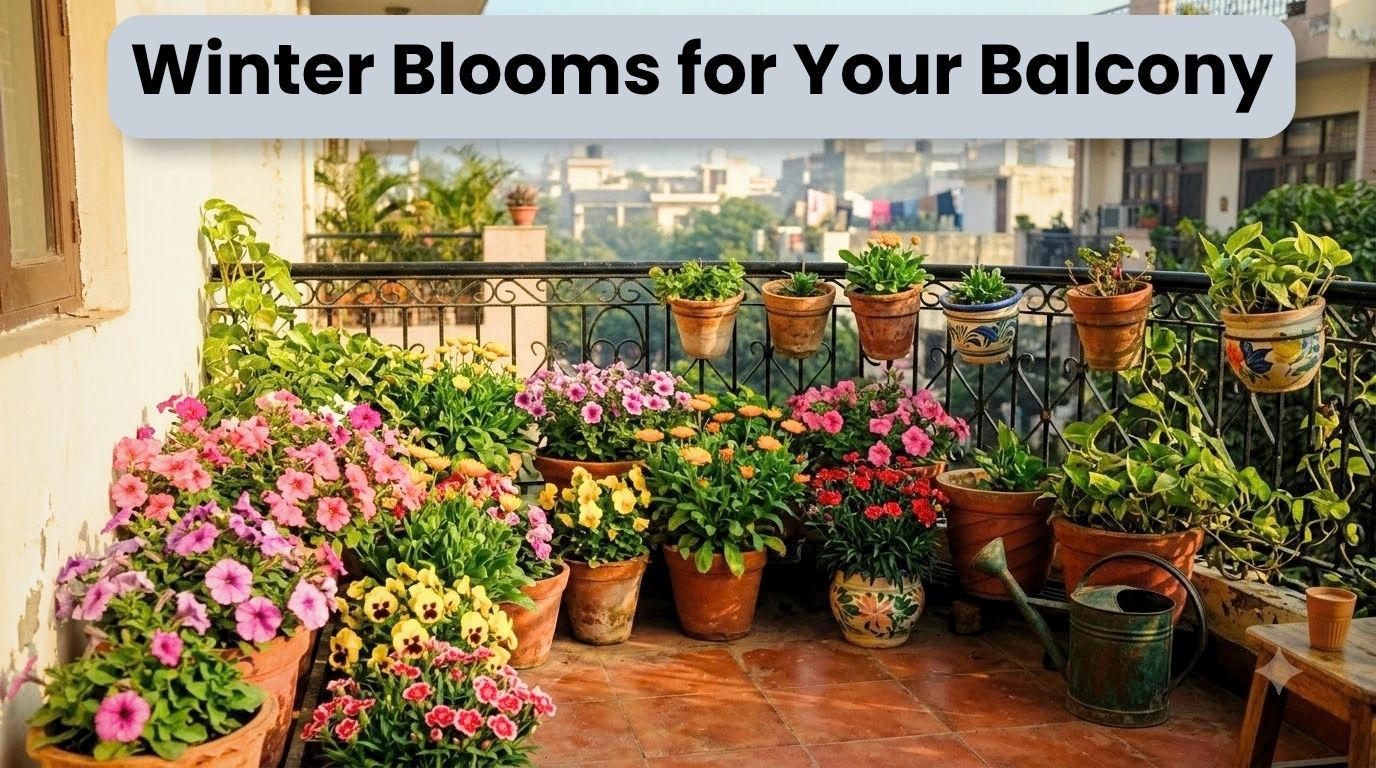
Most of these plants bloom in winter (from October to February), so are the best winter flowering plants in India. Petunia, pansy, viola, dianthus, calendula, marigold, snapdragon, sweet pea and chrysanthemum are most popular in most parts, while poinsettia, camellia and cyclamen are ideal for cold places. Sow or plant most annuals from October to December and give 4-6 hours of sunlight. Only water if topsoil is dry.
Why Is Winter the Best Flowering Season in India?
Many flowers prefer cool evenings and moderate sun rather than summer’s sizzling heat. Many winter annuals have a hard time in hot weather, so they spend their energy blooming while the weather is cooperating.
Less pests in winter, and mornings on the balcony is pleasant for gardening. Be realistic: a Mumbai or Chennai balcony never really gets cold, so pick the ‘heat-loving’ plants there.
Winter Flowers at a Glance
| Plant | Colours | Sunlight | Best region | Pot-friendly? |
|---|---|---|---|---|
| Petunia | Pink, purple, white, red | 5–6 hrs | Most of India | Yes |
| Pansy / Viola | Purple, yellow, blue, white | 4–5 hrs | North, hills | Yes |
| Dianthus | Pink, red, white | 5–6 hrs | North, Central | Yes |
| Calendula | Orange, yellow | 5–6 hrs | Most of India | Yes |
| Marigold | Yellow, orange | 6 hrs | All plains | Yes |
| Snapdragon | Mixed pastels, bold shades | 5–6 hrs | North, West | Yes |
| Sweet pea | Pink, purple, white | 5–6 hrs | North | Deep pots only |
| Chrysanthemum | Yellow, white, bronze, pink | 5–6 hrs | North, Central, hills | Yes |
| Poinsettia | Red, pink, cream bracts | Bright, indirect | North, hills | Yes |
| Camellia | Pink, red, white | Partial shade | Hills, Northeast | Large pot |
| Cyclamen | Pink, red, white | Bright, indirect | Hills, cool North | Yes |
Winter Flowering Plants to Grow in India
1. Petunia
Blooms December to March in pink, purple, white and red. It likes well-drained soil and flowers best in full sun. Pinch off spent flowers every few days and the plant keeps producing. Good in pots and hanging baskets. Non-toxic to cats and dogs.
2. Pansy and Viola
Bloom Nov to Mar and show little “faces” blue yellow and purple. They like cool weather and rich damp soil. Do well in Delhi or Chandigarh. Waste away after February in even slightly warm cities; Tip give shade in the afternoon as the days warm up and they’ll last till March Both edible and safe for pets.
3. Dianthus
Flowers December to March in pinks, reds and whites with some fragrant varieties having a light clove aroma. It prefers well-drained, loose soil in a sunny position. Tip: Water at the base of the plant as wet foliage encourages a fungal attack. Toxin mildly harmful if pets chew it.
4. Calendula
Blooms December to March in cheerful orange and yellow. Easy from seed, happy in ordinary garden soil. Sow October to November. A good first plant for beginners, and one of the toughest cold-tolerant flowering plants here. Generally considered pet-safe.
5. Marigold (Genda)
Blooms October to February. Grows in almost any soil, in pots or ground. Tip: pinch the first buds so the plant bushes out before flowering. Sap can irritate pets’ mouths slightly.
6. Snapdragon
7. Sweet Pea
Blooms Jan to Mar in pink, purple and white and truly scented. Requires a trellis and deep pot / bed. Better off in North Indian winters or you will kill it! Seeds & pods are poisonous to animals, so keep them away!
8. Chrysanthemum (Guldaudi)
Blooms November to January in yellow, white, bronze and pink. It’s a winter favourite across Indian gardens. Tip: pinch the tips in monsoon and early autumn for bushier plants. Toxic to cats and dogs.
9. Poinsettia
The ‘flowers’ (red, pink or cream) are coloured leaves, at their best in December and January. Needs long uninterrupted nights to colour up, so don’t leave near a bright light after dark. Keep in a warm position out of cold draughts and don’t over-water. Sap can cause skin irritation and stomach upset in animals.
10. Camellia
Pink, Red & White Blooms Jan-Mar This is best suited to the hill stations and the North East, and rarely succeeds in hot plains. Needs moist acid soil and some shade. Non-toxic.
11. Cyclamen
Blooms November to March with room-filling umbellate heads, pink, red, and white. Prefers cool bright indirect light and soggy wet soil. Water from below to avoid crown saturation.
Not suited to hot humid climates.
The tubers are toxic to pets.
Check out previous blog: Best Indoor Tree Plants for Low Light Rooms
Which Winter Flowers Suit Your Region?
- North India (Delhi, Punjab, UP, Rajasthan): petunia, pansy, sweet pea, dianthus, calendula, snapdragon, chrysanthemum. Cover tender plants when the temperature dips below 5şC in the night.
Central & West India (Pune, Nagpur, Ahmedabad): marigold, calendula, petunia, snapdragon. Perfect for a Pune terrace in December, keep out of harsh afternoon sun.
South India: marigold, petunia and chrysanthemum cope well in a warm humid winter. Pansies and sweet peas are fickle.
East & Northeast India: calendula, petunia, camellia in the cooler patches. It is for drenching these when the weather is damp. Drenched well with a good amount of water.
Hill areas Camellia, cyclamen, pansy, sweet pea and poinsettia grow well. Growing local conditions are unique – so be sure to visit a nearby nursery for advice.
How to Care for Winter Flowering Plants in India
- Sow on time. Most annuals are sown from October to December. Seedlings are preferable over seeds if you are a beginner.
Provide Light. Four to six hours of direct sun is suitable for most. Shift your pots on the balcony to track the winter sun.
Deep watering. Soak the soil. Feel with your finger. Water when the top 1-inch of soil is dry; morning watering is best.
Use well drained soil Mix garden soil, compost and small amount of sand or cocopeat. (Make it 3 parts soil and one part cocopeat.) No water clog in the pot.
Light feeding. Apply a diluted liquid fertiliser or compost every two to three weeks as soon as buds form.
Frosting protected In North India, spray cloth in the evening hours and place pots close to the wall.
Keep an eye out for pests. For aphids, you’ll notice clusters on tender shoots. Powdery mildew appears as a white powder on leaves. Increase airflow and avoid watering leaves, and treat with neem spray if necessary.
Wipe off the deadhead. Cut the spent flower from the plant.
Common Mistakes to Avoid
Sowing late, with flowers appearing only when the heat sets in
Under-watering because “it’s winter and the plants look sad”
Selecting humble plants such as cyclamen for your hot city
Packing pots too tightly, which invites mildew
Best Picks for Balconies and Small Spaces
Begin with petunias, calendula, marigolds and pansies. The first 4 are inexpensive, space efficient and hardy. 10-12 inch pots with drainage holes several of these on your balcony will be sufficient for these winter flowers in India. Keep them grouped together for easy watering and shifting.
Which flowers bloom in winter in India?
Petunia, pansy, viola, dianthus, calendula, marigold, snapdragon, sweet pea and chrysanthemum love most places. Camellia, cyclamen and poinsettia prefer cooler spots. It’s all about the local weather.
When should I plant winter flowers in India?
Most winter annuals are best direct-sown in October to December. In warmer climates consider sowing late October to November so plants have their flowers in spring before the first summer heat. In hilly areas sowing may be a little later.
Which winter flowers grow best in pots?
Petunia, pansy, calendula, marigold, dianthus and snapdragon are all suitable for containers. Choose a container with drainage holes and filled with light, well-drained compost. Good for a container is also the sweet pea (as long as your container is deep enough and has a support).
Can winter flowering plants survive frost in India?
Few suffer light cold, but frost rots delicate plants. In North India, use a cloth on plants at night & keep potted plants close to a wall. Bring the pots inside on cold nights.
Are winter flowers safe for pets?
Not all. Petunia and snapdragon – but not chrysanthemum or cyclamen – are relatively benign. Seeds of sweet pea and those of the poinsettia are mildly toxic. Check plant risk if you have pets.