
Ask ten Indian gardeners when to plant a rose and you’ll get ten different answers. The funny thing is, most of them are right. Someone in Ludhiana is thinking about frost, someone in Mumbai is waiting out four months of rain, and someone in Bengaluru hardly worries about either. India is simply too big for a single planting calendar.
So let’s start with the answer you came for.
Quick Answer: Best Time to Grow Rose Plant in India
For most parts of the country, the best time to grow rose plant is between October and February, when the weather turns cooler and drier. The exact month depends on where you live, and hill areas usually do better with spring planting.
Here’s a quick look at how it varies by region.
| Region | Best planting window |
| North plains (Delhi, Punjab, UP) | Mid-Oct to Nov; Feb to early Mar |
| Hills (Himachal, Uttarakhand, Nilgiris) | Mar to Apr |
| Coastal (Mumbai, Kerala, Chennai) | Oct to Jan |
| South plateau (Bengaluru, Hyderabad, Pune) | Oct to Feb |
Now let’s go through the details, one tip at a time.
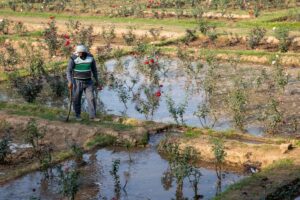
1. Mid-October to November: North Indian Plains
No opportunity to plant tillering crops exists till monsoon. The time for tillering plants arrives with the departure of the monsoon, gradual cooling of the heat, and warm soil. The quantity of roots develops thus tillering crops.
A rose planted now gets a couple of months to settle in before winter slows everything down. Then comes the reward, a first flush of flowers somewhere between January and March. If you’re buying a potted sapling, try to get it in the ground during the first half of October so the roots get a proper head start.
2. February to Early March: A Second Chance
Missed the autumn window? Don’t beat yourself up, it happens to nearly everyone. Once the worst of the frost has passed, mid-February to early March is a perfectly good second shot.
A pot of roses is the best option for this window, because the roots are already in soil and they aren’t troubled by being moved around. The only downside is that there’s less time before summer hits. In April the youngsters need some afternoon shade.
3. March to April: Hill Regions
Gardeners of Himachal and of Kashmir and the Nilgiris are of course in the other condition. Their soil in winter is cold- sometimes frozen – and even tender young plants of roses receive severe injury from a frost.
Above you in the hills, it pays to be patient. Hang on until early spring, when the cold weather is gone and the land warms up, then the plant’s eager to grow. In the lower hills, late February can work too.
4. October to January: Coastal India
Long showers and thick, humid air drench Mumbai, Goa, Kerala, Chennai and coastlines of Odisha. Theses heavy showers favour the roses falling prey to root rot, black spots and powdery mildew.
So wait until the rain has properly stopped. From October to January, winters are gentle and there’s no frost to fear, which gives your plant several months of steady growth. One small trick is to lift your pots slightly off the ground, so water drains freely even when a late shower catches you by surprise.

5. October to February: Southern Plateau Cities
Bengaluru, Hyderabad, Pune and Mysuru enjoy weather that’s friendly to roses for much of the year. Even so, October to February remains the safest window. It keeps young plants clear of the March to May heat in Hyderabad and the heavy June to September rain in Pune. Bengaluru’s mild climate gives you a little extra flexibility, so planting in early spring is possible there as well.
6. Best Time to Grow Roses from Cuttings
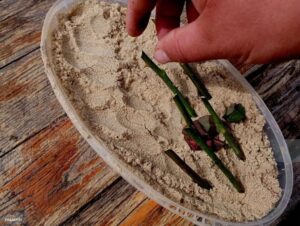
How to Grow Roses From Cuttings The cheapest, most fulfilling method of growing roses is by propagating from cuttings and that’s why the little Desi Rose as a plant grows happily in all Indian homes.
The plains have a window of late September to October or try again in February; coastal and southern – October to January and hill – March and April. Select a healthy tip of a pencil thick stem with at least two to three nodes and plant into a light mixture of soil and sand and keep moist. Watch the success rate vary with variety and maturity of your chosen material, in other words – don’t give up.
7. Bare-Root vs Potted Roses
This is one of the most common mistakes made by amateur gardeners. These roses are sold without soil on their roots, typically between November and January in most nurseries, and must be planted in the ground as soon as the plant is still in dormancy. Soak them for a few hours and don’t allow them to dry out.
Potted roses are far more forgiving. Their roots stay intact, which gives you a wider planting window, though cool months still bring the best results. If you’re wondering when to plant rose in pot form, the cooler stretch for your region is the answer. And if this is your first rose, start with a potted sapling. It’s the lower-risk route.
8. Best Time of Day to Plant a Rose
Time of Day The best times of the day to plant are first thing in the morning or late in the evening. Drop the plant into the hole at high noon when the sun’s shining bright and burnin’ strong. Alternatively, try a cool evening and give that new root system an entire night to settle in.
9. When Not to Plant Roses
What to avoid – That’ll save you a lot of heart ache Think long and hard before placing young, tender cuttings in the ground during May and June. In North and Central India, intense heat will have the young roots sinking into the earth faster than you can put water on them. July and August – monsoon and floods – will also rot, fungi and destroy young plants.
A rose planted at the wrong time can sometimes survive with shade nets and careful watering. Still, working with the season is a lot easier than fighting it.

10. Rose Care After Planting
A great month can’t help when you let the basics slide. Roses require about five to six hours of direct sun each day, a large container that’s about 12 to 14 inches deep and fertile, well-drained soil – either in the ground or in a container – amended with compost or well-rotted manure. Observe the soil often and water when it begins to dry out.
Roses are not really indoor plants, so if you have a gloomy room you will find other greenery in Indoor Tree Plants Low Light and your roses on the sunny balcony or terrace. For a general feeding, watering and pest control rule, see How Do We Care for Plants?. Once it is settled, prune in October-November in the lowlands, to get fresh flowers in winter. Remove dead and crossing branches, prune above an outward-facing bud.
Frequently Asked Questions
What is the best month to plant a rose in India?
For most of India, October and November are the best months. Hill regions are the exception, where March and April work better.
Can I plant a rose plant in October?
Yes, October is one of the best months, especially in North India and the plains. In coastal areas, wait until the rains have fully stopped.
When should I plant roses in pots in India?
Pots give you more flexibility, but cooler months still work best. Choose October to February in most regions and March to April in the hills.
Can I grow a rose plant in summer?
You can, but it’s risky because heat stress damages young roots. If you have no choice, use a potted sapling, shade it in the afternoon, and check the soil regularly instead of watering on a fixed schedule.
Which is better for roses, winter or monsoon?
Winter is better. Monsoon moisture causes root rot and fungal diseases, while cool, dry weather lets roots establish calmly.
How long does a rose plant take to flower?
A healthy potted rose may produce flowers within several weeks of settling in, although timing varies by variety, season and growing conditions. Cuttings usually take longer.
Can roses grow indoors?
Not well. They need several hours of direct sunlight, which most rooms can’t provide. A sunny balcony, terrace or bright window is a much better home.
Should I plant roses in the ground or in pots?
Both work. Ground roses grow bigger and need less frequent watering, while pots suit balconies and let you move the plant to follow the sun.
Final Thoughts
When to Plant Rose? In general, most Indian gardeners should plant rose during the winter months. The best approach is to follow your local weather conditions and plant at a time when the weather is cool; not sweltering in the Indian summer; and not monsoon time.
Get the timing right and everything else gets easier. Happy gardening!