
If you are looking for an easy vegetables to grow in your garden in india spaces, balconies or even a few pots on the terrace, you are in the right place. You don’t need a big plot, a farming background, or expensive equipment. A sunny corner, a few grow bags or old paint buckets are enough to start.
The good news is, you don’t need a large plot of land, a farming heritage or special tools and equipment to grow your own food. A sunny balcony, corner of a terrace, a handful of grow bags or even a few discarded paint buckets will do.
India is actually one of the best countries in the world for home veggie gardening. We have three distinct growing seasons (summer, monsoon and winter), and most vegetables we eat at home have a timeframe when they grow optimally. The key is to pick the right vegetable for the right season and not overreach.
This list is constructed on the basis of how forgiving the plant is, how quickly you get a harvest, and how a plant copes in Indian conditions such as heat, heavy rain and irregular watering
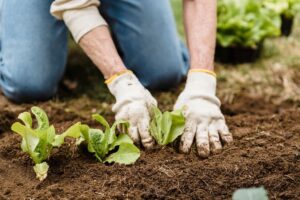
Before You Start: Three Things That Matter More Than the Plant
Most beginners blame the seed when a plant fails. In reality, three things decide your success.
Sunlight. Most vegetables need five to six hours of direct sun. Leafy greens can manage with four. If your space gets less than that, stick to spinach, coriander and mint.
Soil. Garden soil straight from the ground gets hard in pots. A good mix is roughly equal parts garden soil, cocopeat (or sand) and well-rotted cow dung manure or vermicompost. It drains well and still holds enough moisture.
Drainage. Every pot needs holes at the bottom. Waterlogged roots rot faster than almost anything else kills a plant, especially during the monsoon.
Get these three right and even the fussier vegetables become easy.
1. Spinach (Palak): The Fastest Easy Vegetable to Grow in a Garden
This one is for those of you who want a quick win. Palak takes just five to seven days for sprouts and 30 to 40 days for start cutting off the leaves.
Produces a good crop from October to February in most of the northern part of India and can be grown nearly throughout the year in the cooler hill areas. In areas like Panchkula, Delhi or Jaipur, do not plant in the hottest summer months, as the plant will bolt and the leaves will be bitter.
Plant the seeds half an inch deep in at least an eight-inch deep pot. Water occasionally, keeping the soil moist but not wet. The beauty of this plant is that it is a cut and come again plant. Cut the outer leaves and the centre continues to grow. One pot will last a small family for weeks.
2. Coriander (Dhania): The Plant Every Indian Kitchen Needs
No one is enthusiastically buying coriander these days, given how fast the price escalation is. Growing your own is simple and rewarding.
Gently mash the dhania (coriander) seeds (whole seeds are slow to sprout) and plant in a shallow broad container and cover with a thin layer of soil. You will have green shoots in around ten days and you can harvest in four to five weeks.
Coriander dislikes extreme heat. Grow it from October to March in plains, and nearly year round in the hills. Place it where it gets morning sun and some afternoon shade. If it starts to flower, don’t panic. Let it go to seed and you get your own free dhania seeds for the next batch.
3. Tomato: Worth the Wait
Fruits take a bit longer to go than leafy vegetables, but they are still among the best vegetables to grow at home in India. Fruit normally takes 60 to 80 days.
For winter crop in most of north India sow seeds in September–October and for spring crop sow in January–February. In south India you have more time. Plant in deep pot (minimum 12 inches), provide a stick or string for the plant to climb as soon as the fruit sets, the stems become really heavy.
If the soil is dry and you flood the plant, the fruit will crack. So water deeply every few days instead of a little every day, and once the first flowers appear, throw a handful of compost around the plant.
Cherry tomato types are the most forgiving. They are quite resistant to heat and they give you so much fruit that you will not be able to eat everything.
4. Green Chilli: Low Effort, Long Harvest
Just one chilli plant can grow for months – one of the best amounts of effort for the whole garden.
Chillies thrive in warm conditions. Sow between February and April or following the monsoon period if in a warm climate. Seeds usually take a couple of weeks to germinate so a little patience is required. After transplanting into a 10-12″ pot the plant is fairly low-maintenance.
Water when the top inch is dry. Never overwater your Chilli plants – they are the biggest culprit when it comes to leafless plants. Remove the first few flowers and allow your plants to develop strength and then your reward is an abundance of fruit.
5. Okra (Bhindi): Made for Indian Summers
Unlike other vegetables which find the warmth difficult to handle, bhindi eases through. It is undoubtedly one of the best easy vegetables to grow in a garden for humid, hot climates and is a boon when you crave something green during summers and monillons.
Pre-soak the seed before sowing, as the coat is hard. Sowing between February and April for a summer crop and between June and July for a monsoon crop. The plants require a full sun and a minimum pot size of 12 inch.
The harvest window is 45-55 days. Pick the pods while they are young and tender, about three or four inches long. Allowing them to grow to a woodyness reduces the amount of production for the plant. Picking the pods every other day and harvesting consistently encourages production.
6. Brinjal (Baingan): A Sturdy Plant That Rewards Patience
Brinjal is more resilient than you think. Once settled, it is very tolerant of the heat, irregular watering and even slight pest problems.
Begin your seed in a small tray, and once they’ve developed to about four inches, transplant to a larger grow bag or pot (a Grow Bag of 14-16 inch would be good enough). Sowing in most parts of India should be done in June-July and October-November.
Prefers rich soil: Add vermicompost once a month or once in three to four weeks. Pests: Small holes on the leaves indicate pests. Apply neem oil in the evening to quickly ward off pests.
7. Radish (Mooli): The Instant Gratification Vegetable
Mooli is the fastest maturing veg, if you are in a hurry you can pull the first radishes in anywhere between 25 and 40 days.
This crop is most prolific if you sow in the cooler months, between September and February. Loosen the soil well around radishes so that the roots don’t become twisted or stunted in dense ground. Sow the seed directly into the pot (because they don’t like being transplanted) and leave a two-inch gap between each.
Water consistently. A dry period will spice up the radishes and turn them woody and hot. Always keep a steady source of water to have tender, mild radishes. It’s a good garden vegetable for kids too who like to watch something grow fast.
8. Cucumber (Kheera): A Climber That Saves Space
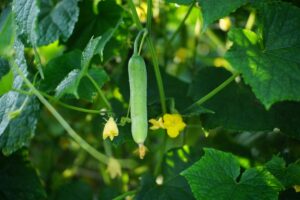
Most of the cucumbers crawl along the ground, but you can get much better results when the plants grow up. The vine needs to be guided along a trellis, a net or a bamboo frame, for example.
Plant seeds in February or March for a summer crop, or plant seeds in June or July for a rainy season crop. Cucumbers are heavy drinkers so the soil must be kept moist at all times, particularly when the weather is warm. Picking time is 45 to 60 days.
Plant seeds in February or March for a summer crop, or plant seeds in June or July for a rainy season crop. Cucumbers are heavy drinkers so the soil must be kept moist at all times, particularly when the weather is warm. Picking time is 45 to 60 days.
9. Bottle Gourd (Lauki): The Overachiever
Lauki is not a plant for a small home garden on a windowsill. However, if you are blessed with a terrace, or a fence on which the plant can be trained, it is one of the most productive of vegetables.
Plant seeds in February-March or June-July. Leave them to soak in water overnight to speed up germination. Provide robust support for the plants’ fruits, which can reach several kilos in weight. The plant has a fast growth rate and will fruit after about 60 to 70 days of watering.
From just one healthy plant you can harvest over a dozen gourds. You’ll be happy to give some to your neighbours.
Quick Season Guide for Indian Gardeners
If you are unsure what to sow right now, this simple guide helps.
| Season | Months | Easy vegetables to grow |
| Winter | October to February | Spinach, coriander, radish, tomato |
| Summer | February to June | Okra, chilli, cucumber, lauki |
| Monsoon | June to September | Okra, brinjal, lauki, cucumber |
Climate varies across India, so adjust a little for your region. Hill stations get a longer window for leafy greens, while coastal and humid areas do better with heat-loving crops for most of the year.
Simple Habits That Keep Your Vegetable Garden Alive
You don’t need a complicated routine. A few habits make the biggest difference.
Water first thing in the morning so your plants can make use of it before the sun gets hot. Fertilize every 2-3 weeks with compost, vermicompost or a weak mix of cow dung slurry. Watch the underside of leaves for pests once a week. And keep harvesting – vegetables grow faster when you harvest often!
If you are new to plant care in general, our guide on [interlink keyword 1] covers the basics of watering, light and soil in more detail. And if you also want greenery inside your home, take a look at [interlink keyword 2], which suits rooms that don’t get much sun. For more ideas on what to grow next, see [interlink keyword 3].
Common Mistakes Beginners Make
The biggest mistake is starting too big. Three or four pots are enough for your first season. Learn how your balcony behaves, how fast the soil dries, and which corner gets the best light.
The second is sowing the wrong vegetable at the wrong time. A palak seed sown in May will sulk and bolt, while a bhindi seed sown in December will barely sprout. Follow the season, and the plant does half the work for you.
The third is overwatering out of love. Poke a finger into the soil. If it is still damp an inch down, leave it alone.
Frequently Asked Questions
What is the easiest vegetable to grow in a garden for beginners in India?
Spinach and coriander are the easiest. Both sprout within a week or two, need little space and give you a harvest in about a month.
Which vegetable grows fastest at home?
Radish is usually the quickest, ready in 25 to 40 days, followed closely by spinach and coriander.
Can I grow vegetables on a balcony with limited sunlight?
Yes, but choose wisely. Leafy greens like spinach, coriander and mint manage with four hours of sun. Fruiting vegetables such as tomato and chilli need at least five to six hours.
What is the best soil for growing vegetables in pots?
A mix of garden soil, cocopeat or sand, and compost or vermicompost in roughly equal parts. It drains well and stays nutritious.
Which vegetables can I grow in summer in India?
Okra, chilli, cucumber, bottle gourd and brinjal handle the heat well. Start them in February or March, or in June for the rainy season.
How often should I water my vegetable plants?
It depends on the weather and the pot size, so avoid a fixed schedule. Check the top inch of soil and water when it feels dry. In peak summer this could be daily, while in winter it may be every two or three days.
Do I need to use chemical fertilizer?
No. Compost, vermicompost and neem-based sprays are enough for a healthy home garden.
Final Thoughts
Nothing can substitute for actually showing up, and it’s the same for your home vegetable garden. Choose one or two of these vegetables that grow in this season, start them off with good soil and some sun, and learn the rest as you go.
Whether it is a pot of palak on the windowsill or a lauki plant on the terrace, the very first harvest is an experience you will cherish. Every gardener began just where you are now, with a few failed seeds and at least one resilient plant that refused to perish.
So, pick an easy vegetable and plant it in your garden this week, and make your kitchen a bit greener.