
If you grow plants on a balcony, terrace or windowsill, choosing organic fertilizer for plants at home is one of the best decisions you can make for your garden. Walk into any nursery in India and you’ll encounter piles of brightly coloured packets promising bomb-blast growth in a week. We may have bought them, experienced quick and satisfying greening, and watched the plants give up a month later while the soil transforms to a pale, hard, unappealing mess. Organic fertilizer works that way too – it nurtures the soil, the soil nurtures the microbes and earthworms that live in it, and they nourish the plants gradually. You don’t need a farm or a lot of money, however, because most of the options listed below can be made from materials in your kitchen, neighbourhood or even from what you cook on your chulha. This guide covers eleven different options to meet India’s conditions, including challenging summers, heavy monsoons and tiny pots with no mouth.
Why Organic Fertilizer for Plants at Home Makes Sense
Before I get to the list of what’s good to use, a word about what you get in return by going organic. Organic matter releases nutrients slowly for days and weeks, rather than in a rapid flash that can burn roots. It helps develop a rich, spongy, porous soil with healthy, happy earthworms and microbes and the kind of food they love to munch on. Growing your own tomatoes, chilli, mint and coriander also means you are in control of the ingredients that go into the plate. One warning is organic products tend to be less concentrated, so results are a little slower. In my experience, however, the longer wait is definitely worth it. 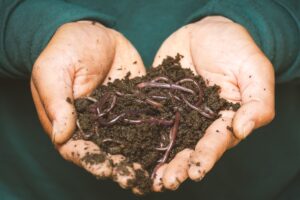
11 Best Organic Fertilizers for Plants at Home
1. Vermicompost (Kenchua Khad)
Vermicompost If you only buy one of these items, then vermicompost is it. Made by the earthworms breaking down kitchen and farm waste, its dark and crumbly and smells like fresh rain on the earth and is high in nutrients and good bacteria. It’s great for nearly all plants, including vegetables, flowering bushes, indoor plants, and fruit plants. When you are potting, use a ratio of one part vermicompost to three parts potting soil, and when your plants are in the ground, scatter two to three handfuls on top of the soil every 30 to 40 days and water lightly. You can find it at your local nursery or a farm and garden store, online, and other stores, and a five-kilogram bag is not always expensive, but varies depending on your city. To check if you’ve got good vermicompost, just smell it; if it smells earthy, great, if it smells sour or rotten, leave it.
2. Cow Dung Compost (Gobar Khad)
Cow dung has been used as a fertiliser in Indian farms since generations and is still a must-have in the home gardens. Well rotted cow manure provides nitrogen, potassium and tons of organic matter and helps sandy or red soils to retain moisture. It is especially good for container plants and for leafy vegetables, hibiscus, marigolds, roses and large potted plants. Mix in a handful or two of cow dung every 2 months into the topsoil, and ensure that the manure is totally dry, crumbly and free of odour. The biggest mistake people make is using it fresh. Fresh dung is “hot”, which means it can burn roots and attract pests, so let it dry and age for at least two to three months before it goes anywhere near your plants.
3. Homemade Kitchen Waste Compost
Transform these waste from your kitchen to a great organic fertiliser for plants at no expense to you and reduce the load on your kitchen waste. Take a bucket or container with small holes in the sides and bottom, use dry leaves, shredded newspaper or cocopeat as a base or layer; put a layer of kitchen waste, then a layer of dry leaves and a handful of old compost or soil to feed your compost and start the process. Mix it around once a week and keep it moist like a sponge but do not let the water collect at the bottom of the bucket or container. After 45 to 60 days you will see dark crumbly compost; humid cities like Mumbai or Kolkata will get you compost faster while cool north Indian winters will require you to wait a bit longer. Do not use meat, fish, dairy, oily foods or cooked leftovers as they smell bad and invite rats and flies.
4. Neem Cake
Neem cake is the residue after the oil has been pressed out of neem seeds and is well loved by Indian gardener’s for good reason. It supplies a mild yet constant dose of nitrogen whilst also repelling soil pest such as nematodes, termites and grub worms that may nestle beneath the soil and slowly gnaw away at those precious roots. Perfect for use with vegetables and fruit plants, roses and just about any plant that has previously suffered soil pest predation. Mix one to two tablespoons in a medium size pot’s soil or a handful in a larger container, once every two to three months. It is quite pungent initially but if left for a few days will dissipate very quickly so no need to be alarmed! Just keep the bag out of reach of any pets who may find it attractive to dig!
5. Banana Peel Fertilizer
The banana peel is a favourite home fertilizer because of the potassium that it contains (flourishing), with some phosphorus and magnesium. Dry the peels in the sun, grind them into a powder and then mix a teaspoon or two into the earth, then create a natural fertilizer. The use of one peel in 1 liter of water for 24 to 48 hours of pouring and the use of the solution to water the plants and also use the chopped peels and add and dig 2-3 inches deep. These crops are tomato, fig, brinjal, roses, hibiscus, and jasmine. It’s best to be realistic here because banana peels are a good source of potassium but not complete fertilizer, so they work well with compost or vermicompost.
6. Eggshell Powder
Eggshells are 90 percent calcium carbonate and calcium makes for a very strong cell wall in your plant. This is especially important for tomatoes because they’re susceptible to what’s known as blossom end rot, the big dark spot at the bottom of your tomato. Turn the eggshells into fine dust by rinsing and drying, then grinding to a powder. If you have a large plant, or one in a pot, sprinkle a teaspoon or two into the soil, each, again, in the mix. The powder is much more effective than chunks, because eggshells don’t break down well. 
7. Used Tea Leaves
Use tea leaves (leftover ones of course) as an inexpensive gentle fertiliser that can slightly boost nitrogen content and make the soil more friable. Wash out the sugar and milk first though (they’re not so good for the soil), let the leaves dry then scatter a thin layer over the surface of the topsoil or add to compost bin. Do not pile it on thick as mould will form. Ferns, money plant, snake plant, jasmine and roses will all happily enjoy this gentle feed.
8. Coffee Grounds
Many Indian households brew filter coffee daily, and this translates to tonnes of used grounds available to put on the compost pile. Grounds are rich in nitrogen and provide organic material, but use them in moderation. Ideally you want to compost or dry the grounds for a few days before adding them with just a teaspoon or two into the soil of a medium to large pot, or mix them into your compost heap. The grounds can cause the soil to turn sour, become spongey and, like in espresso, they could nurture mould.
9. Mustard Cake or Groundnut Cake
They are residues of oil extraction and are high in nitrogen – which is why they are recommended by Indian gardeners in many states to promote lush growth for leafy plants. Don’t sprinkle them dry into the soil. Keep 100 grams of the cake suspended in a bucket of water, about 2-3 litres of water, for five to seven days; stir well everyday. Dilute this solution with 10 parts water and pour it around the plant. Its odour is pungent: keep the bucket on a terrace or garden area away from indoor plants.
10. Wood Ash (Chulha Ash)
If yours or any neighbour’s home still has a wood or cow dung chulha, then the ash is a welcome supply of potassium and calcium. Lightly spread a tablespoon or so around a medium-sized plant every month or so. Take care of what has been burned as ash containing plastic or painted wood or charcoal briquettes with additives must not be added to the soil. Ash also mildly increases soil pH so no near acid loving plants and never spread too much otherwise the soil can become too alkaline.
11. Jeevamrut (Liquid Organic Fertilizer)
Jeevamrut A fermented liquid used in many natural farms in India, prepared with desi cow dung, cow urine, jaggery, gram flour and a handful of soil, full of nutrients and good bacteria. For a small batch for home use, add 1kg of fresh (not stored) desi cow dung, 1litres cow urine, 100 g jaggery, 100 g besan and a handful of soil from under a good tree to 10 litres of water, keep covered with a cloth, in the shade and stir twice a day for five to seven days. Mix 1 part jeevamrut with 10 parts water and spray the soil, not on leaves on strong sunlight, rather than on plants themselves. Small batches as it should be used within a week. 
Which Organic Fertilizer Should You Use? A Quick Comparison
| Fertilizer | Main Benefit | Best For | How Often |
|---|---|---|---|
| Vermicompost | Complete, gentle nutrition | All plants | Every 30–40 days |
| Gobar khad | Soil structure, nitrogen | Large pots, vegetables | Every 2 months |
| Kitchen compost | Free, balanced feed | All plants | Every 4–6 weeks |
| Neem cake | Nitrogen and pest control | Vegetables, roses | Every 2–3 months |
| Banana peel | Potassium | Flowering and fruiting plants | Every 2 weeks (tea) |
| Eggshell powder | Calcium | Tomatoes, chillies | Once a month |
| Tea leaves | Mild nitrogen | Foliage plants | Weekly, thin layer |
| Coffee grounds | Mild nitrogen | Leafy plants | Once a month |
| Oil cake tea | Strong nitrogen | Leafy growth | Every 2–3 weeks, diluted |
| Wood ash | Potassium | Fruiting plants | Once a month |
| Jeevamrut | Microbes | Vegetables, garden beds | Every 2 weeks, diluted |
A Simple Feeding Routine for Organic Fertilizer for Plants at Home
You do not need to apply all of these and honestly any good simple routine will surpass the complex list. Mix compost or gobar kadh at potting time and the plant gets the idea from the start. Keep watering it at every two weeks with banana peel tea or a dilute jeevamrit, then once a month add a tsp of egg shell powder or wood ash and apply a handful of compost on top. Around every 3 months sprinkle neem cake on top. Adjust your schedule for the particular plant, the leafy crops like spinach and coriander prefer higher nitrogen and the flowering plants like hibiscus and tomato prefer more potassium.
Season Tips for Indian Gardeners
With Indian weather adjusting food consumption of plants, your schedule should change with the seasons In summer (April–June) heat pollutes, so feed slightly, water a little before and after feeding, and mulch the soil with dry leaves to keep down evaporation. In the rainy (July– September), where so much water flushes out nutrients from their containers, giving compost more frequently will ensure the soil remains covered, and that the pots will drain well. In winter (November–February), when growth is slow, especially in north India, fed should be reduced to around once a month.
Common Mistakes to Avoid
Most of the trouble with organic feeding is due to good intentions rather than bad. The number one mistake is too much, especially since organic products, just like chemical ones, can burn roots if used excessively. Other than overfeeding, the most common mistakes are not composting well-made manure before using it, not paying attention to drainage, and over-feeding a suffering plant instead of taking care of its difficulties first. Always heed the plant’s back-to-nature instinct and watch for telltale signs like a lack of nitrogen coming on as the leaves turn yellow, or a lack of potassium or phosphorus that results in poor flowering.
Frequently Asked Questions
What is the best organic fertilizer for plants at home?
Vermicompost is the best all-round choice because it is gentle, balanced and safe for almost every plant. You can pair it with homemade options like banana peel tea or kitchen compost for extra nutrition.
How often should I apply organic fertilizer to potted plants?
For most potted plants, once every 30 to 40 days is enough. Liquid options like jeevamrut or banana peel tea can be used every two weeks, and feeding should be reduced in winter.
Can I make organic fertilizer at home for free?
Yes. Kitchen waste compost, banana peel tea, eggshell powder, used tea leaves and chulha ash are all free or nearly free, and they take very little time to prepare.
Is organic fertilizer safe for indoor plants?
Yes, as long as you choose odour-free options. Vermicompost and well-made compost work best indoors, while fermented liquids like oil cake tea are better kept for outdoor plants because of the smell.
Which organic fertilizer is best for flowering plants?
Look for potassium and phosphorus. Banana peel, wood ash and vermicompost all help flowering plants like roses, hibiscus and jasmine.
Can organic fertilizer harm plants?
It can if used wrongly. Fresh manure, too much oil cake or thick layers of coffee grounds can damage roots or cause mould, so follow the quantities above and always dilute liquids.
How long does organic fertilizer take to show results?
Usually two to four weeks. Organic fertilizers work through the soil, so changes are slower than chemical products but last longer.
Can I use organic fertilizer on vegetables I will eat?
Yes, and it is often the preferred choice. Just make sure compost and manure are fully decomposed, and wash your vegetables well before eating.
Pingback: Best Organic Fertilizer for Flowers in India