
If you have ever bought a bunch of pudina for ₹10 and watched it wilt in the fridge in two days, this one is for you. Learning how to grow mint at home is one of the easiest wins in Indian gardening. It grows on a balcony, a kitchen window or a plastic bucket, and it forgives most beginner mistakes. In this guide I’ll walk you through nine practical steps, from picking the right stem to harvesting without killing the plant, with Indian weather and Indian kitchens in mind.
1. Know Your Mint Before You Start
In India you’ll mainly find 2 kinds. The volatile oils of Desi pudina (Mentha arvensis) give it that robust, pungent aroma we use in chutneys, raita and buttermilk. The sweeter and subtler spearmint (Mentha spicata) is commonly available at the nursery and the mall. Both varieties grow the same way, so you may use whichever you get. The pudina from your town’s sabzi wala is just as good for daily use, and the cost is included in the vegetable prices. 
2. How to Grow Mint at Home from Kitchen Cuttings
Buy a fresh bunch that has fresh green stems. Make 4 or 5 cuts about 10-15cm long checking for a node, the little bump where the leaves are. Keep all the pairs at the top of each of the cuttings, remove all the lower leaves and place in a jar of water in a light location, out of the strongest sunlight in the afternoon. Refresh the water every 2 days, within 7-12 days you should have white roots about 3-4cm in length and they can be planted into the soil.
3. Choose the Right Pot (And Why Size Matters)
The reason why mint quickly takes over a garden bed is because it runs under the surface. Having it in a pot is actually better. Select a container 10 to 12 inches in diameter and 8 inches deep with holes at the bottom of it for drainage. Wide and shallow is better for mint.
Plastic tubs, abandoned paint buckets, clay pots and even big food containers are useful. Clay offers more breathability but also dries quicker in the summer so might not be the best option if you spend long days out.
4. Prepare a Light, Rich Soil Mix
Soil should be moist and not soaked with water Mix consists of 50% garden soil, 30% Cocopeat / sand and 20% vermicompost or decomposed cow manure / compost. Soil pH should be 6-7 and almost all garden soil in India is at almost the same pH level.
No heavy clay soil fresh from a building site or roadside. It retains too much water and the roots will rot before the plant gets started. 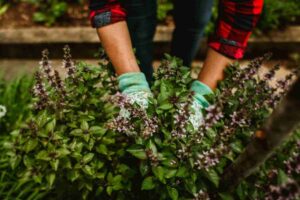
5. Planting Your Mint Cuttings
Fill the pot with compost to about 2″ from the rim. Dig a small hole with your finger and plant the rooted cutting, firming the compost gently around it. To create a more luxurious display, plant three or four cuttings in one pot. Water well until water runs from the bottom of the pot, then place it in a bright but filtered light position and leave for a week to give the seedlings chance to establish.
6. Get the Sunlight Right for Indian Weather
Mint requires 4 to 6 hours of daylight. This does not mean direct sunlight. Direct sun may lead to scorching the leaves, that is why mint leaves are made to dry in the shade particularly from April to June when North and Central India receives heat of more than 40C.
Your best sunlight is a balcony that receives its sunshine in the morning and shade in the afternoon. During summer find your pot behind a tall bush or a shade net. And during winter particularly in the northern plains, when morning is foggy and chilly give it maximum sun. If you live in a flat with low light, a bright east-facing window works fine. For more ideas on low-light greenery, see [Interlink Keyword 1].
Best time to plant: In most of North India, February to March and September to October are the sweet spots. In South India and coastal areas, you can plant almost all year. In peak summer, growth slows down, so don’t panic if the plant looks a little tired.
7. Watering: Moist, Not Soggy
Mint is a thirsty plant that hates to sit in water. Push your finger into the soil about an inch. If it’s dry, water it. If it’s moist, don’t. During summer months, your mint may need to be watered daily, and during the winter months, water it every two to three days.
Don’t water at the base of the plant in the morning. You risk inviting fungus on wet leaves in the evening with the monsoon. If you put the pot on a tray or saucer, be sure to dump out the water in the tray after watering so that the roots are not constantly sitting in water.
8. Feed, Pinch and Prune Like You Mean It
This is the main mistake most newbies make. By simply removing the large bottom leaves, you’ll end up with a very tall, thin and spindly plant. Cut the top pair of leaves of every stem just above a couple of bottom leaves. We will develop two new branches at that stage and each year the plant will become more bushy.
Pump some life into your plant with a small handful of vermicompost or a weak compost tea every three to four weeks. Strong chemical fertilizer will produce rapid leaf growth and diminish aroma. Remove tiny flowers as they emerge. Flowering makes leaves bitter and tells the plant to stop producing new growth. If you want a wider guide to everyday plant care, [Interlink Keyword 2] covers the basics well. 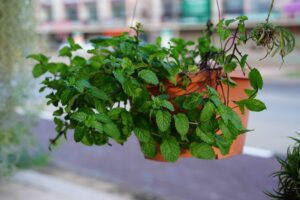
9. Handle Pests, Problems and Repotting
Mint is tough, but a few troubles do show up in Indian homes.
Aphids and whitefly gather on the underside of leaves. Usually a good spray with the hose or a light neem oil treatment (say 5 ml neem oil and a few drops of liquid soap in a litre of water) will take care of these in a week or so. Spider mite attack in the hot, dry season shows as a fine webbing – keep the plant a little moist by misting near it, but not on it. Brown or orange patches on leaves indicate rust fungus: cut off the infected leaves, increase air movement and don’t wet the plant.
Too much water: yellow leaves. Wilting, even in wet soil? Root rot. That’s when you take cuttings from the good stems and give them a fresh start.
In the second year the roots are already filling the pot and there is no further growth. Tip the plant out of the container, divide the clump into two or three and replant each in fresh compost. It’s like getting free plants every time.
When and How to Harvest
Pick when they are about 15cm high, 6-8 weeks after planting. Cut the stems above a pair of leaves, at least 1 inch above, and do not take more than 1/3 of the plant. When you do the first harvest in the morning when the oils are concentrated, you can plan a second harvest for that same afternoon.
Fresh pudina can last in a steel vessel with a moist tissue for three-four days. You can also hang the leaves in the shade or keep chopped leaves in a freezer with small water cubes. These can be added directly to chutneys, lassi and jaljeera.
Quick Mistakes to Avoid
Plant mint directly into the ground free of barriers, train it in a pot that has no drainage, leave the pot out in extreme afternoon sunlight, forget to pinch the tips and harvest only from the bottom. Correct these five, and you will have a lush pot by next month.
Frequently Asked Questions
How long does mint take to grow at home?
Starting from stem cuttings, Mint root within 7-12 days, and can be harvested for the first time within 6-8 weeks. Starting from seed, then it will be closer to 10-12 weeks.
Can I grow mint in water only?
Yes, for a couple of weeks. Mint will grow in water for some time, but eventually it will outgrow the nutrients. After that, transfer it to the soil for more sustainable growth.
Does mint need full sun?
No. Four to six hours of bright light is enough. In Indian summers, partial shade is actually better.
Can I grow mint indoors in India?
Yes. A bright window with a few hours of sunlight works. Rotate the pot every few days so growth stays even. If sunlight is limited, a simple LED grow light also helps.
Why are my mint leaves turning yellow?
Overwatering is the most common cause. Other reasons are poor drainage, lack of nutrients or too little light. Check the soil moisture first.
Does mint grow back after cutting?
It does, as long as you leave at least two leaf pairs on each stem. Regular harvesting makes it grow thicker.
Which is the best month to plant mint in India?
February to March and September to October suit most regions. In hot regions, avoid planting in May and June unless you can provide shade.
Can I grow mint with other herbs in the same pot?
Better not. Mint spreads fast and crowds out neighbours. Keep it in its own pot, or look at [Interlink Keyword 3] for plants that share space well.
Final Thoughts
Growing mint at home doesn’t need a big garden, fancy tools or any special skill. A few stems from your kitchen, a pot with holes and a bit of attention to light and water are enough. Once you have your first pot going, you’ll wonder why you ever paid for pudina. Start with one cutting this week, and by next month you’ll have fresh leaves for your chai, chutney and buttermilk right from your own balcony.